
Understanding the different grades of aluminium used in construction helps builders and project managers choose materials that deliver long-lasting, reliable performance. Each alloy behaves differently under stress, climate and long-term exposure, which means choosing the right one can improve safety, reduce costs and strengthen the overall durability of a project. As leading aluminium suppliers in Sydney, our team at Extal has seen how the right alloy choice makes a noticeable difference across residential, commercial and industrial builds.
Aluminium remains one of the most trusted materials in modern construction because it is lightweight, strong and corrosion-resistant, while being easy to fabricate into a wide range of profiles. Whether it is used for architectural framing, façades or heavy-duty structural components, there is always a suitable grade designed for the job. With a clearer understanding of these properties, project teams can make informed decisions that support better engineering outcomes and long-term performance.
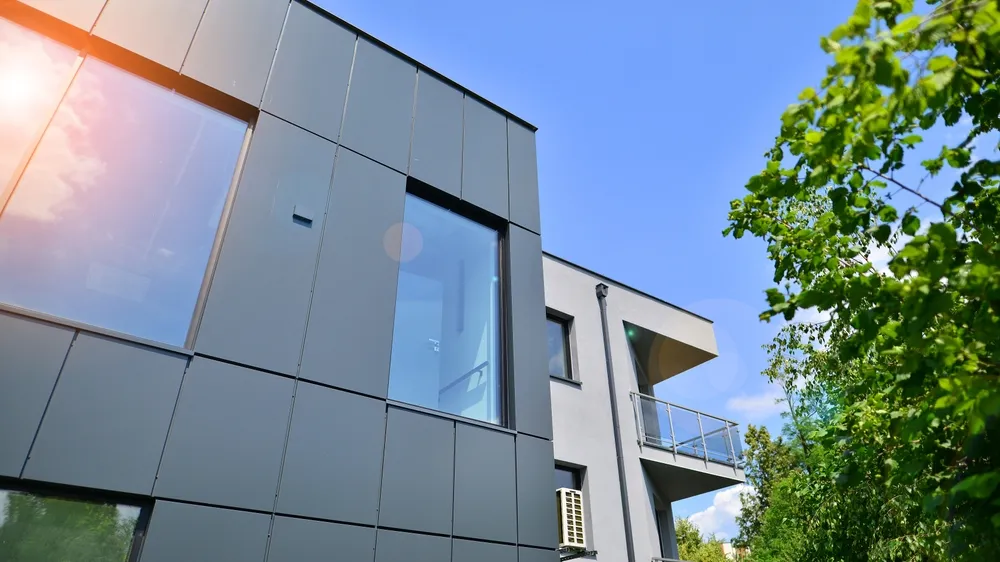
Common Aluminium Grades Used in Construction
Knowing the most commonly used aluminium grades helps project teams pick the right type for reliability and durability. Each series offers unique benefits that make it ideal for certain building conditions and levels of structural demand. By understanding key differences, construction professionals can plan smarter and reduce the risk of material failure. Here are the primary series used in modern building environments.
5000 Series: Marine and Structural Strength
This grade is known for its resistance to corrosion, which makes it ideal for buildings near moisture or chemical exposure. It offers great strength without sacrificing flexibility, making it widely used in load-bearing construction. Its impressive durability ensures a long service life with minimal maintenance.
- This series performs exceptionally well in humid and corrosive environments because magnesium is its main alloying element, helping structures withstand exposure without weakening over time.
- It has excellent weldability, making it a popular choice for structural components that require secure joints and long spans in both indoor and outdoor applications.
- Builders appreciate its combination of strength and formability, which allows complex shapes to be fabricated without compromising the stability of the final installation.
6000 Series: Versatility for Frames and Architectural Profiles
This grade is the go-to solution for general construction thanks to its balance of shaping ability and corrosion resistance. It is used widely in fabricating building façades, stair components and more. Its versatility gives designers the freedom to work with creative and practical designs.
- The presence of magnesium and silicon provides heat-treatable strength, allowing it to handle moderate structural loads while remaining lightweight and easy to machine.
- It supports a wide range of surface finishes (anodising and powder coating), making it ideal for architectural elements that require both durability and visual appeal.
- It is widely stocked by fabricators and suppliers, ensuring easy sourcing and cost-efficient production on medium- to large-sized construction projects.
7000 Series: High Strength for Specialist Applications
When a build demands maximum strength, this grade provides unmatched performance in extremely demanding environments. While not as corrosion-resistant as others, it excels in areas where weight must remain low but stress loads are high. When used correctly, it ensures superior reliability in advanced construction.
- Zinc as a primary alloying element significantly boosts tensile strength, making this grade suitable for engineering-heavy structures like bridges and high-stress joint components.
- It delivers outstanding fatigue resistance, making it perfect for structures that face vibration or movement throughout their lifetime.
- Due to its premium qualities, it is often used only in specialist areas of construction where performance requirements justify the higher cost.

Matching Aluminium Grades to Construction Needs
Considering project conditions with the expected stresses and budget constraints ensures the chosen alloy performs to its full potential. Construction teams must assess the environment and how long components need to last. By matching specifications accurately, unnecessary material expenses can be avoided while still achieving strong engineering results. Making informed decisions can significantly improve project success.
Choosing the Right Alloy for Strength and Corrosion Resistance
Selecting the correct grade protects structures from early wear and costly repairs. Materials that match the environmental conditions will continue performing even when exposed to harsh elements. Understanding how different grades react helps create more durable installations.
- Strength ratings differ across series, so choosing an alloy that meets load requirements prevents deformation or structural failure in critical building areas.
- For coastal or moisture-rich environments, grades with strong corrosion-resistant properties save long-term maintenance costs and keep components intact.
- The correct choice reduces the risk of unexpected damage, allowing builders to proceed confidently, knowing they have selected the safest and most practical alloy available.
Balancing Cost and Performance in Large-Scale Projects
Construction budgets rely on smart decisions that maintain quality without overspending. Choosing an alloy that does the job without exceeding needs can noticeably improve cost efficiency. Careful planning ensures material investment benefits both the current build and future value.
- Premium alloys should be reserved for areas requiring exceptional strength, allowing more economical options to be used in non-critical structural areas.
- Long-term maintenance and lifespan should be considered in cost calculations, as cheaper materials may require more frequent replacement or repair over time.
- Working closely with metals experts allows teams to order materials in profiles and quantities suited to the exact needs of the build, avoiding waste and unnecessary expense.
Why Understanding Alloy Properties Helps Avoid Over-Specifying Material
Selecting a material with unnecessary strength or advanced features can drive up costs without improving performance. A proper evaluation of construction needs leads to more efficient design and ordering. Education and guidance help prevent these mistakes on large and small projects alike.
- Over-specifying increases the price of procurement and fabrication, affecting overall budget and profitability without enhancing the final structure.
- Right-sizing material choices reduces handling difficulties, as unnecessarily heavy or stiff alloys can complicate installation and require specialised equipment.
- Suppliers can help break down the actual performance requirements, making sure the chosen alloy meets the project’s purpose without exceeding what is genuinely needed.
Selecting the right aluminium grade is an important part of building strong, reliable structures that stand the test of time. With different alloys offering unique advantages, construction teams can achieve incredible results by simply choosing materials that fit the environment and performance requirements of the build. Better understanding of these differences leads to improved outcomes and smarter spending.
Extal is always here to help designers and engineers choose the ideal aluminium solution for their next project. By taking a practical and informed approach, the final structure becomes safer and more cost-effective to ensure every investment delivers the quality and confidence people expect in today’s construction projects.

