
When building or upgrading a trailer or ute tray, every material decision influences strength, weight, carrying capacity and long-term durability. Aluminium continues to be a preferred option across many industries because it combines corrosion resistance, structural performance and payload efficiency in a way few other materials can match. When sourcing products from aluminium suppliers in Sydney, it is important to choose materials that suit Australian conditions, heavy daily use and relevant safety requirements.
In this article, Extal explains how aluminium sheet, plate, tread plate, box section, angle, channel and flat bar are used in trailer and ute tray builds. It also looks at how the right grade, thickness and finish can reduce maintenance, improve payload efficiency and help the finished build stand up to daily commercial use.
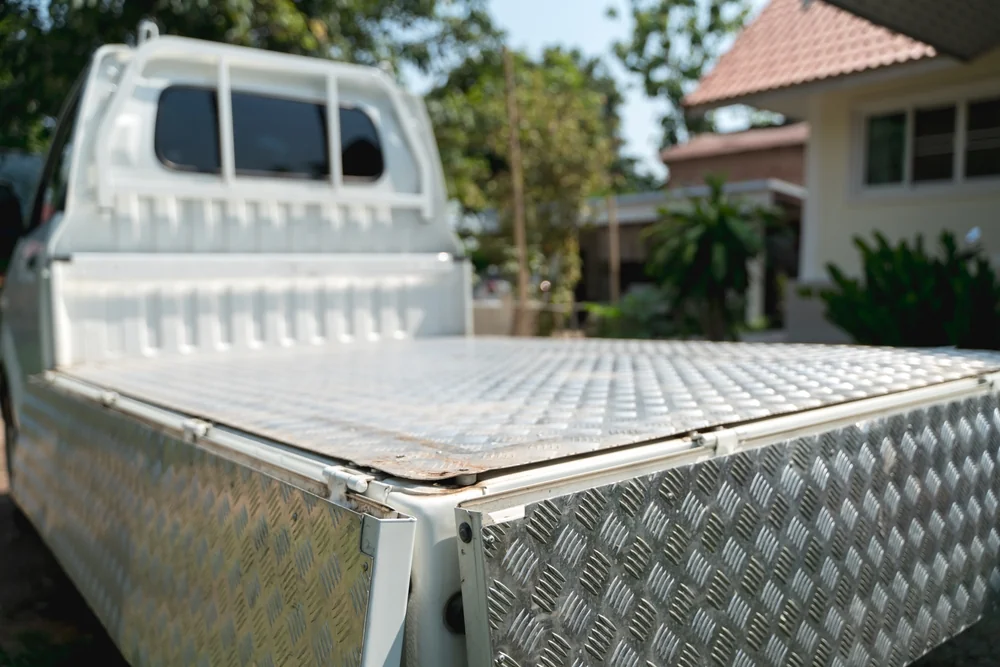
Sheet, Plate and Tread Plate for Floors, Panels and High-Wear Areas
Aluminium sheet, plate and tread plate are fundamental to building durable trailer and ute tray floors, along with internal and external panels that stand up to daily use. Selecting the correct thickness and surface finish directly affects strength, grip, impact resistance and long-term appearance.
For high-wear applications, the choice is usually between flat plate for clean, easy-loading surfaces and raised-pattern tread plate where extra grip and dent resistance are more important. Matching the alloy grade and thickness to the job helps prevent sagging panels, cracked welds and premature corrosion.
Flat Sheet and Plate for Floors and Structural Panels
Flat aluminium sheet is generally used for side panels, toolboxes, headboards and non-structural linings where strength-to-weight performance and corrosion resistance are important. Plate in heavier gauges can also be used for structural flooring and cross-deck panels.
For ute tray or trailer floors, plate typically ranges from 3 mm to 6 mm, depending on the span between supports and the intended payload. A light-duty tray that mainly carries tools may use 3 mm plate, while a trailer regularly hauling machinery may benefit from 4.5 mm or 6 mm plate to resist denting from point loads. Heavier plate can also reduce road noise and drumming, although it increases overall weight.
Correct fixing is essential. Floors are usually stitch-welded or plug-welded to crossmembers, or fixed with countersunk structural fasteners to maintain a flat surface that will not catch on pallets or cargo. Sealant between the plate and steel supports can also help reduce the risk of crevice corrosion in mixed-metal builds.
Tread Plate for Grip and Impact Resistance
Aluminium tread plate, often called checker plate, is commonly used where extra traction and impact resistance are required. The raised pattern improves grip in wet, muddy or greasy conditions, while the thicker sections often used for tread plate help resist punching damage from tracked, spiked or heavy equipment.
In addition to improving grip, the patterned surface hides scratches and minor dents better than flat plate. This makes tread plate a practical choice for exposed edges, loading zones, steps and high-traffic commercial vehicles. When used as an overlay on an existing steel or aluminium floor, it can be stitch-welded or mechanically fixed, then sealed around the edges to help keep moisture out.
Balancing Practical Use, Weight and Appearance
The choice between flat plate and tread plate should reflect how the vehicle will be used. Vehicles mainly handling palletised freight may suit flat-plate floors because they allow easier pallet-jack movement. Mixed-use work utes that carry loose materials, tools and people are more likely to benefit from tread plate on key walking and loading surfaces.
Weight is always a factor. Using tread plate or heavier gauges only where needed, such as central floor strips, tailgates and steps, can help keep the build within axle limits while still providing protection in high-wear areas. Finishing options such as mill finish or bright polished tread plate can also be matched to the overall build, from purely functional work vehicles to higher-end trays where presentation matters.
Box Section, Angle, Channel and Flat Bar for Frames, Supports and Edging
Box sections, angles, channels and flat bars are the core structural profiles used to build strong, long-lasting trailer and ute tray frames. Correct selection of these shapes affects load capacity, rigidity, corrosion resistance and how easy the build is to fabricate, maintain and repair.
Different profiles suit different jobs. Box sections are well suited to primary framing, while angles and channels work well for bracing, edging and mounting points. Flat bar is commonly used for edging, tie-down points, backing plates and detail work. Combining these profiles correctly helps create a strong, practical structure that tows straight and wears evenly.
Box Section for Main Frames and Headboards
Aluminium box section is the backbone of many quality trays and trailers. The closed shape resists twisting and bending, which is important for chassis rails, crossmembers, headboards and support structures.
For light- to medium-duty trays, typical sizes may range from 50 x 50 x 3 mm up to 75 x 50 x 4 mm, depending on tray length and intended load. Heavier trailers and tipper bodies often step up to 75 x 50 x 5 mm or 100 x 50 x 5 mm in key rails. Thicker walls improve impact resistance around tow points, hinge mounts, jack stands and other high-stress areas.
Box section is also useful where a clean finish is important. It provides flat faces for bolting accessories, mounting under-tray toolboxes and attaching sideboards. Drain holes should be included in boxed sections to prevent water trapping, which helps maintain corrosion performance over time.
Angle and Channel for Bracing, Mounting and Edges
Aluminium angle is one of the most versatile profiles in tray and trailer fabrication. Equal and unequal angles from 40 x 40 x 3 mm up to 75 x 50 x 5 mm are commonly used for:
- Corner posts and sideboard frames
- Cross bracing between chassis rails
- Mounting flanges for guards and toolboxes
The 90-degree form makes angle simple to clamp, align and weld, which can speed up fabrication and help keep frames square.
Channel sections are well suited where loads need to be spread or where a recessed mounting surface is required. Common examples include:
- Perimeter frames where decking boards or sheets sit neatly inside the channel
- Tie-down rail bases and winch mounts
- Slide-in supports for ramps or removable gates
U-channel with internal widths matched to standard timber or composite boards can also allow easier deck replacement without complex machining.
Flat Bar for Edging, Tie-Downs and Detail Work
Flat bar is often used to finish and reinforce the structure built from box, angle and channel. Common uses include outer tray edges, capping exposed sections and backing plates for high-stress bolted joints.
Sizes in the 40 to 75 mm wide range and 3 to 6 mm thick suit many trailer and tray applications. Thinner flat bar can work for cosmetic edging and rub strips, while 5 or 6 mm flat bar is better around tow points, lashing rings and hinge mounts where loads are concentrated.
Flat bar is also useful for custom tie-down points and ladder rack interfaces. Continuous flat bar along tray edges can provide a strong, weldable base for rope rails or lashing rings without distorting the main frame. When combined with box section under-tray supports, flat bar helps create a smooth, durable platform that resists denting from pallets, tools and equipment.
What to Check Before Ordering Aluminium for Your Trailer or Ute Tray
Before committing to aluminium products for a trailer or ute tray, confirm that the material, profile and finish suit the intended workload, working environment and installation method. The right grade, thickness and finish will determine how well the build resists corrosion, handles heavy loads and remains safe on the road.
Checking these details before ordering helps avoid flexing floors, cracked welds, premature corrosion and accessories that do not line up properly with existing mounting points. The following checks cover the most important decisions to make upfront.
Confirm Alloy Grade and Temper
Not all aluminium behaves the same under load or in harsh conditions. For most tray and trailer builds, the two key decisions are alloy grade and temper. Before ordering, confirm:
- Whether marine-grade aluminium is needed if the vehicle will regularly be exposed to salt spray, coastal conditions or boat ramps
- The temper condition, such as H32 or T6, as this affects formability, strength and weldability
- That all structural members use compatible alloys to avoid galvanic issues and inconsistent performance
Check Thickness, Load Rating and Structural Design
Incorrect thickness is a common cause of dented floors, cracked joints and premature wear. For hard-working trays carrying tools, aggregates or machinery, a floor sheet in the 3 mm to 4 mm range is often preferred, while lighter-duty lining or canopy skinning can use thinner sheet to reduce weight.
Cross rails, headboards and sideboards should be specified using structural extrusions with adequate wall thickness and section depth. Where possible, the design should be matched to known load ratings or engineering guidance rather than guesswork.
Choosing the Right Aluminium Products for Long-Term Performance
Choosing aluminium for trailers and ute trays is not simply about reducing weight. Structural integrity, corrosion resistance, fabrication quality and long-term durability all depend on matching the right alloys, profiles, thicknesses and finishes to the way the vehicle will be used.
Carefully specified flooring systems, structural sections and accessories can help create builds that remain safe, practical and reliable under regular commercial use. The right aluminium products also improve payload efficiency, reduce ongoing maintenance and give the finished tray or trailer a clean, professional appearance on the road.

