
Choosing between aluminium windows and timber windows shapes how an Australian home looks, feels, and performs over the long term, especially in conditions such as harsh sun, salt air, temperature swings, and bushfire exposure. For homeowners comparing options through aluminium suppliers in Sydney, the decision often comes down to balancing durability, energy efficiency, maintenance, and overall design intent.
Extal explores how aluminium and timber windows compare across the factors that matter most, including performance, appearance, upkeep, and lifecycle cost, helping clarify which option is better suited to different climates, architectural styles, and long-term expectations.
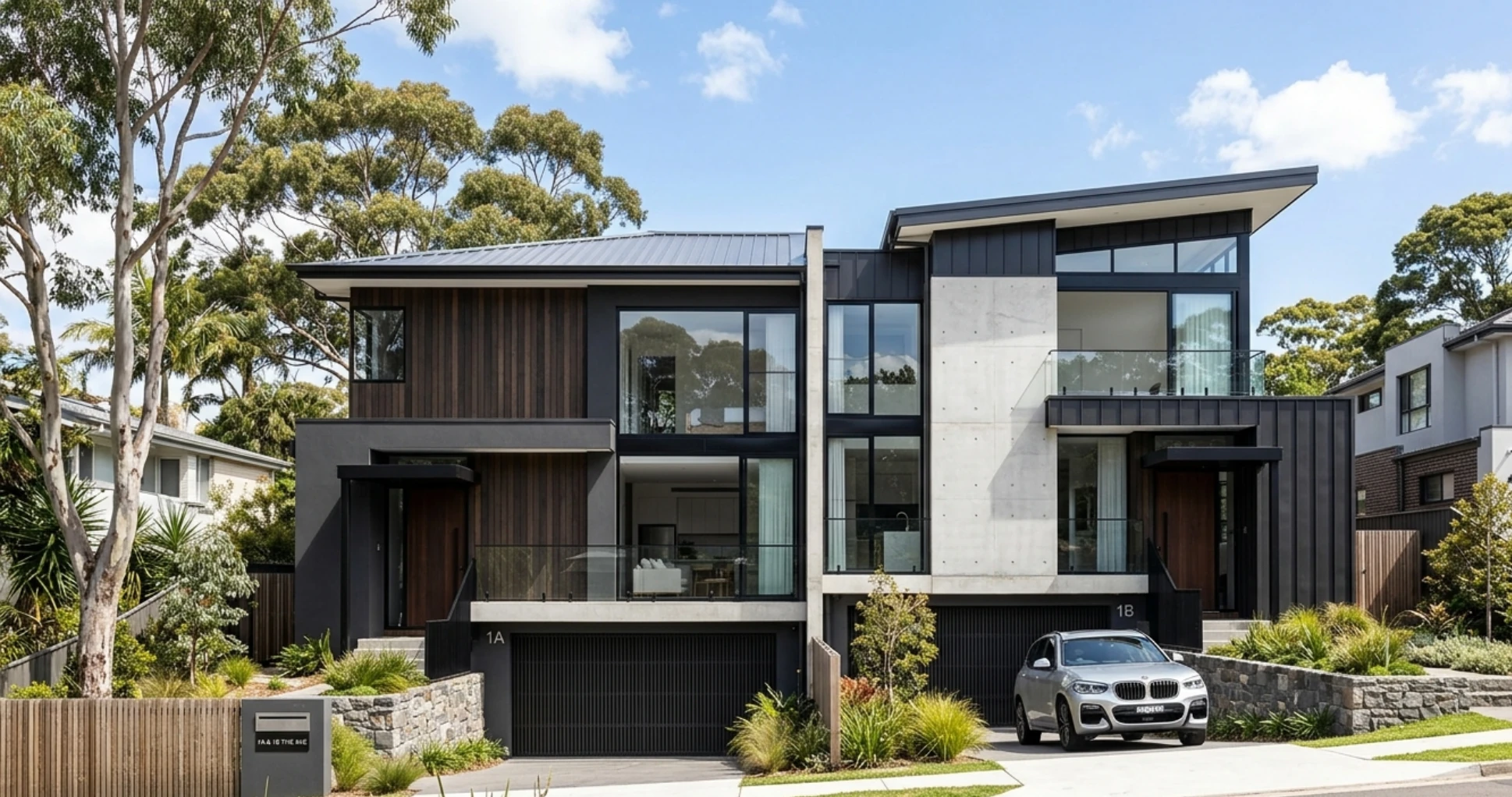
Why Aluminium and Timber Windows Are Commonly Compared
Aluminium and timber are the two window frame materials many Australian homeowners consider first when replacing or upgrading windows. Both are widely used in new builds and renovations, both suit a broad range of home styles, and both can deliver strong performance when properly specified. Because they are so commonly available and practical in suburban, coastal, and rural settings, they are often compared directly.
They are also compared because they address the same core requirements in different ways. Homeowners expect their windows to provide durability, energy efficiency, security, and visual appeal suited to Australian conditions. The real question is how each material performs across those areas and which trade-offs make more sense for the home, location, and budget.
Shared Role in Modern Australian Home Design
Aluminium and timber are both well established in Australian residential design. They appear in everything from large sliding doors and expansive fixed glazing in contemporary homes to smaller openings in bedrooms, bathrooms, and laundries. They are also the two materials most likely to be quoted by builders and window suppliers on standard residential projects.
In suburban brick veneer homes, aluminium frames are often chosen for their slim appearance and low maintenance requirements. Timber is more commonly selected in heritage, federation, and character-style homes where traditional detailing is a priority. Because both materials are visible in many Australian streetscapes, homeowners often find themselves making a direct visual and practical comparison.
Overlapping Performance Expectations
Homeowners tend to judge both materials against the same baseline expectations. Whether the frame is aluminium or timber, it still needs to:
- resist warping and movement in Australian temperature extremes
- perform reliably in coastal, humid, or high-exposure environments where applicable
- support quality glazing for energy efficiency and acoustic control
Modern product development has narrowed the performance gap between the two. This means the decision is no longer as simple as one material being clearly better than the other. Instead, the choice often depends on the finer differences in insulation, maintenance, durability, and long-term value.
Design, Maintenance and Cost Trade-Offs
Aluminium and timber often compete in a similar price bracket for many residential applications, particularly at the entry and mid-market levels, although exact pricing depends heavily on size, glazing specification, hardware, and finish. Aluminium is often more cost-effective for larger sliding or stacking door systems, while quality hardwood timber can attract a premium, especially in custom or traditional profiles. This is why it is important to look beyond upfront cost alone.
Both materials also offer strong design flexibility. Aluminium is available in a wide range of powder-coated colours suited to modern architectural palettes, while timber can be painted or stained to suit classic, coastal, or more natural interior schemes. Since both can be tailored to suit the façade, the decision often comes down to the desired visual character of the home.
Maintenance is another major point of difference. Aluminium is generally low maintenance and suits busy households, investment properties, and homes in exposed locations. Timber typically requires more regular upkeep, but it can also be repaired, sanded, and refinished over time. Rather than one being good and the other bad, the decision is really about which level of maintenance suits the owner’s priorities.
Appearance and Suitability for Different Home Styles
Window frames have a major influence on the overall appearance of a home. Their proportions, finish, colour, and detailing affect not only the façade but also the way rooms feel internally. In Australian homes, where natural light is strong and outdoor living is central to the layout, frame design is especially noticeable.
Understanding how each material performs visually in different architectural settings helps avoid a mismatch between the windows and the rest of the home. A frame that works beautifully in one style of house may feel out of place in another.
Aluminium for Contemporary, Coastal, and Low-Maintenance Homes
Aluminium naturally suits modern and contemporary architecture where clean lines and minimal detailing are important. Its slim profiles allow for larger expanses of glass with less visual interruption, which works particularly well in open-plan living areas and homes designed to maximise views.
Powder-coated aluminium is available in a wide range of colours, including lighter tones such as Surfmist and bolder shades such as Monument, black, and bronze. Matte and low-sheen finishes generally feel more architectural, while gloss finishes can look more commercial. In many contemporary homes, darker frames are favoured because they visually frame outdoor views and sit neatly against bright external light.

Timber for Heritage, Classic, and Warm Interior Schemes
Timber is often the stronger choice for homes where warmth, texture, and traditional detailing matter. It suits heritage homes, character renovations, and properties where the windows need to complement existing mouldings, weatherboards, or classic proportions.
Profiled timber sashes and mullions can reproduce original double-hung and casement styles more convincingly than most aluminium systems. This is especially important in conservation areas or heritage-sensitive renovations where visual authenticity matters. Internally, timber also pairs well with timber floors, joinery, and softer natural finishes, giving rooms a warmer and more tactile feel.
Painted timber is highly adaptable and can be colour-matched to trims and interiors, while stained or clear-finished timber works well in country, Hamptons and coastal cottage designs. The trade-off is that these finishes need ongoing care to stay looking their best.
Hybrid Approaches and Matching to Façade Materials
Some homes benefit from a mixed-material approach. Aluminium may be used for large sliding doors and fixed glazing facing outdoor entertaining areas, while timber is chosen for feature rooms or prominent street-facing elevations where a more traditional or premium look is desired.
Material coordination with the rest of the home is important. Aluminium generally pairs well with:
- rendered walls or lightweight cladding
- brickwork with minimal detailing
- modern steel or flat tile roofs
Timber often suits:
- weatherboard or chamferboard cladding
- decorative brickwork or stone
- pitched roofs with visible eaves and more traditional detailing
When the window material is aligned with the architecture, façade materials, and interior palette, the result feels more cohesive and deliberate.
Durability and Maintenance in Australian Conditions
Australian homes are exposed to intense UV, coastal salt, heavy rain, humidity, and sudden temperature changes. Window frames need to handle these conditions without deteriorating prematurely or demanding more maintenance than the owner is realistically prepared to take on.
Both aluminium and timber can perform well when correctly specified and installed, but they age in different ways. Understanding how each responds to weather, wear, and ongoing exposure is essential before making a decision.
How Aluminium Handles Australian Weather
High-quality architectural aluminium is durable, stable, and resistant to termites, rot, and moisture. In most Australian environments, powder-coated or anodised aluminium frames can maintain their structural integrity for decades with relatively little upkeep.
In coastal locations, airborne salt is one of the main concerns. If not properly maintained, standard finishes can develop surface pitting over time. Regular rinsing with fresh water is often enough in moderately exposed areas, but in harsher marine environments it is important to specify a suitable marine-grade finish and corrosion-resistant hardware and fixings.
Australia’s UV levels are also a significant factor. Aluminium itself is not affected by UV exposure, although coatings may gradually fade or chalk over time depending on quality and exposure. Dark colours tend to absorb more heat, but well-engineered systems are designed to account for these conditions.
How Timber Copes with Heat, Moisture, and Pests
Timber offers strong structural performance, but because it is a natural material it is more vulnerable to moisture, UV, and biological attack if it is not properly protected. In many Australian conditions, repeated cycles of heat, humidity, and rain can cause unprotected timber to swell, shrink, crack, or grey.
To perform well, timber windows need to be sealed on all sides with a suitable paint or stain system, and those coatings must be maintained over time. North- and west-facing elevations usually need more attention because they receive stronger sun and greater weather exposure. If coatings break down, moisture can enter joints, sills, and glazing rebates, increasing the risk of rot.
Timber also needs consideration in termite-prone areas and in locations with elevated bushfire risk. Some durable hardwoods may be suitable in specific applications, but material choice, compliance requirements, and maintenance all need to be considered together.
Lifespan Expectations and Cost of Upkeep
With the right finish selection and routine cleaning, aluminium windows can deliver a long service life with comparatively low ongoing cost. Over time, the most common issues are usually related to hardware, seals, or accidental damage rather than failure of the frame itself.
Timber can also last for decades, but only with consistent maintenance. Repainting, resealing, and occasional repairs should be expected over the life of the windows, particularly in exposed, coastal, or high-UV conditions. For that reason, timber often involves a higher long-term maintenance commitment even when the initial appearance is highly appealing.

Energy Efficiency and Comfort
Energy performance is often one of the biggest deciding factors between aluminium and timber windows because it affects indoor comfort, condensation risk, and ongoing heating and cooling costs. Both materials can achieve good results, but they do so in different ways.
It is also important to remember that frame material is only part of the equation. Glazing, seals, thermal breaks, and installation quality all influence how well a window performs in real conditions.
Insulation Performance
Timber is a natural insulator because wood is a relatively poor conductor of heat. Well-made timber frames with proper seals can reduce heat transfer through the frame and help improve comfort, particularly in cooler climates.
Standard aluminium frames conduct heat much more readily. Without a thermal break, the frame can become very hot in summer and very cold in winter, which may affect comfort near the window and contribute to condensation in cooler conditions.
Thermally broken aluminium improves this significantly. By separating the inside and outside sections of the frame with a non-conductive barrier, heat transfer is reduced. When paired with good glazing, thermally broken aluminium can deliver strong thermal performance and compete closely with timber in many Australian applications.
Glass Selection
For both aluminium and timber windows, the glass often has an even greater effect on performance than the frame material itself. Double glazing, low-E glass, and appropriate solar control glass are important considerations depending on the climate zone and orientation of the home.
In hotter regions, glazing that reduces solar heat gain can help limit unwanted heat entering the home. In cooler climates, lower U-value glazing helps reduce heat loss and improve comfort near the glass. In both cases, the best results come from combining the right glass with a well-designed frame system and proper installation.
Comfort Factors Beyond Temperature
Comfort is not only about heat transfer. Air leakage, draughts, and noise also affect how windows perform in everyday living. Modern aluminium systems often achieve excellent airtightness through advanced seals, multi-point locking, and tight manufacturing tolerances. High-quality timber windows can perform just as well, although continued maintenance plays a larger role in preserving that performance over time.
Noise control is also mainly determined by glazing thickness, glass configuration, and seals rather than the frame material alone. Timber has a slight natural acoustic advantage, but both materials can perform well when paired with the right glazing system.
Cost and Long-Term Value
Cost is one of the most important considerations when choosing between aluminium and timber windows, but the purchase price is only one part of the picture. Installation, maintenance, energy performance, and expected lifespan all affect the true long-term value.
A system that costs more upfront may still represent better value over 10 to 25 years if it reduces maintenance demands or improves comfort and efficiency.
Upfront Costs
In most parts of the market, standard aluminium windows tend to have the lower upfront cost. They are widely available, efficient to manufacture, and commonly supplied in standard residential sizes and configurations.
Timber windows usually sit higher in the price range, particularly when quality hardwoods, heritage profiles, or custom joinery are involved. The final price of either option will depend on factors such as:
- frame material and profile
- size and configuration
- glazing type
- hardware and opening mechanism
- finish quality and system specification
For projects with tighter budgets, aluminium often allows for more glazing area or more openings within the same spend. Timber is more often chosen when appearance, craftsmanship, or heritage suitability justifies the added cost.
Maintenance and Lifespan Costs
Aluminium windows are generally predictable from a maintenance point of view. Routine cleaning and periodic checks of seals and hardware are usually enough to keep them performing well.
Timber requires a more active maintenance approach. Depending on the exposure and finish system, repainting or re-staining may be needed every several years, along with occasional sanding, sealing, or repairs to weathered areas. These long-term costs should be factored in from the beginning, especially for homes in coastal or high-exposure environments.
Which Option Is Better for Your Home?
The better choice between aluminium and timber windows depends on the home’s location, climate, architectural style, maintenance expectations, and budget. There is no single answer that suits every project.
For many contemporary Australian homes, aluminium is the more practical option because it offers durability, slim sightlines, bushfire suitability, and low ongoing maintenance. For heritage homes, traditional façades, and projects where natural warmth and craftsmanship are central to the design, timber may be the better fit.
Climate, Location, and Bushfire Risk
Location has a major influence on the decision. In warm urban environments and many contemporary builds, thermally broken aluminium paired with quality glazing can provide strong overall performance with minimal upkeep.
In cooler climates, timber can offer good natural insulation, but this advantage only holds if the windows remain well sealed and properly maintained. In coastal environments, aluminium often has the edge because it is better suited to resisting salt exposure when marine-grade finishes and suitable hardware are used.
Bushfire risk also needs to be considered carefully. Compliance depends on the full system specification, not just the frame material alone, so it is important to assess BAL requirements and product suitability for the site.
Design Intent, Aesthetics, and Property Type
Architecture matters just as much as climate. Contemporary homes with large glass panels, minimal detailing, and strong indoor-outdoor connections usually suit aluminium. Heritage homes, classic façades, and bespoke builds often benefit more from timber, particularly where traditional proportions and detailing are important to the overall result.
The right choice is the one that best aligns with the home’s design language, practical demands, and long-term ownership expectations.
The choice between aluminium and timber windows is not about finding a universal winner. It is about choosing the material that best suits the home, the location, and the level of maintenance the owner is prepared to commit to.
Aluminium offers durability, low upkeep, slim modern sightlines, and strong suitability for coastal and contemporary homes. Timber offers warmth, character, and strong natural insulation, making it especially appealing in heritage and design-led projects. When performance, appearance, maintenance, energy efficiency and lifecycle cost are all considered together, the better option usually becomes much clearer.

